

Right step on Hormuz, but India needs clearer West Asia strategy
Right step on Hormuz, but India needs clearer West Asia strategy
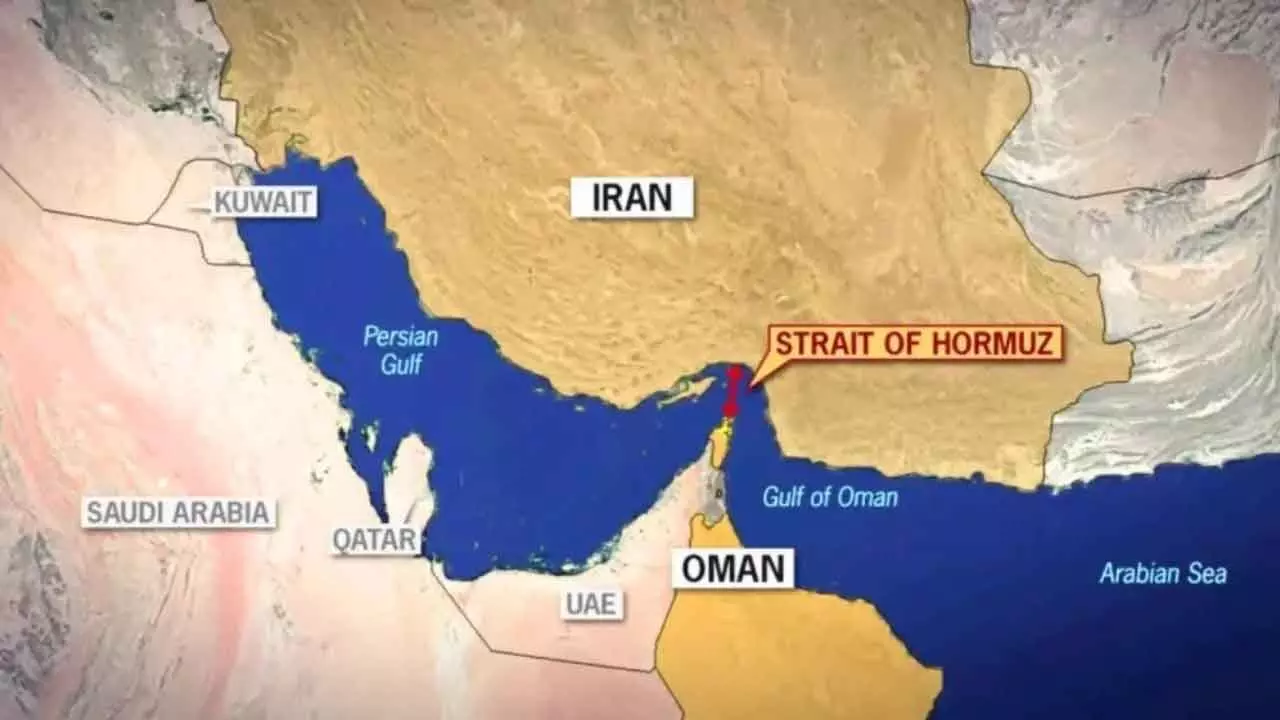
It is heartening that India will participate in a meeting of more than 60 countries to explore ways to reopen the vital Strait of Hormuz. The closure of the strait, critical for the movement of large quantities of petroleum products, has sent oil prices spiralling.
This is hardly surprising, as about one-fourth of the world’s seaborne oil trade passes through it. The meeting is an initiative of the United Kingdom. Ministry of External Affairs spokesperson Randhir Jaiswal has confirmed India’s participation, noting that the Foreign Secretary will attend.
It is surprising that such an initiative did not come earlier. The ongoing conflict in West Asia involves the United States-Israel alliance and Iran. While the belligerents pursue their objectives, the rest of the world should not be made to suffer.
On this count, the responsibility lies squarely with Iran. The US and Israel are not targeting non-Iranian oil tankers. Similarly, neither Russia nor Ukraine has deliberately attacked non-belligerents during their prolonged war. Why, then, should Iran disrupt global trade. And and why should the world tolerate such behaviour?
Much has been debated about the morality and legality of the US-Israel military campaign, including questions around jus ad bellum, the legal framework governing the use of force. However, there has been little discussion on Iran’s actions in effectively holding global energy supplies to ransom.
India’s participation in this international effort to pressure Tehran is welcome. However, it also raises questions about India’s own aspirations to be a Vishwaguru. Our dependence on crude oil is significantly higher than that of the UK, yet New Delhi has appeared largely reactive to developments in the Strait.
More broadly, India’s Middle East policy appears inconsistent. Days before the US-Israel strikes, Prime Minister Narendra Modi visited Israel. After the killing of Iran’s Supreme Leader Ayatollah Ali Khamenei and several top officials, India refrained from condemning the attack, though it expressed condolences. As the LPG crisis intensified, India appeared to recalibrate its stance towards Iran.
The Opposition has criticised the government sharply. While much of the criticism has been partisan, Congress leader Jairam Ramesh raised a valid point in suggesting that India advance the BRICS+ Summit, which it is set to host later this year. Unfortunately, this suggestion was not taken up, —perhaps reflecting the limitations of a polarised political environment.
In this context, supporting the UK’s initiative is undoubtedly the right step—but it should not be the only one. India must also introspect and refine its approach to international crises, especially in regions vital to its economic and strategic interests.
This calls for a more coherent West Asia policy, stronger diplomatic engagement with key stakeholders, and a willingness to take independent initiatives when required. Ad hocism in foreign policy must give way to consistency and clarity.





